
This root to stalk vegetable broth is a sustainable and flavorful way to make use of vegetable scraps that might otherwise be discarded. By using parts of the vegetables that are often overlooked, you can create a rich and nutritious broth that serves as a perfect base for soups, stews, and sauces.
Some of the ingredients in this recipe, like carrot tops and celery leaves, might not be commonly found in your home. When you go to the supermarket, look for fresh carrots and celery with their greens still attached. These greens are often trimmed off and discarded, but they add a wonderful depth of flavor to the broth.
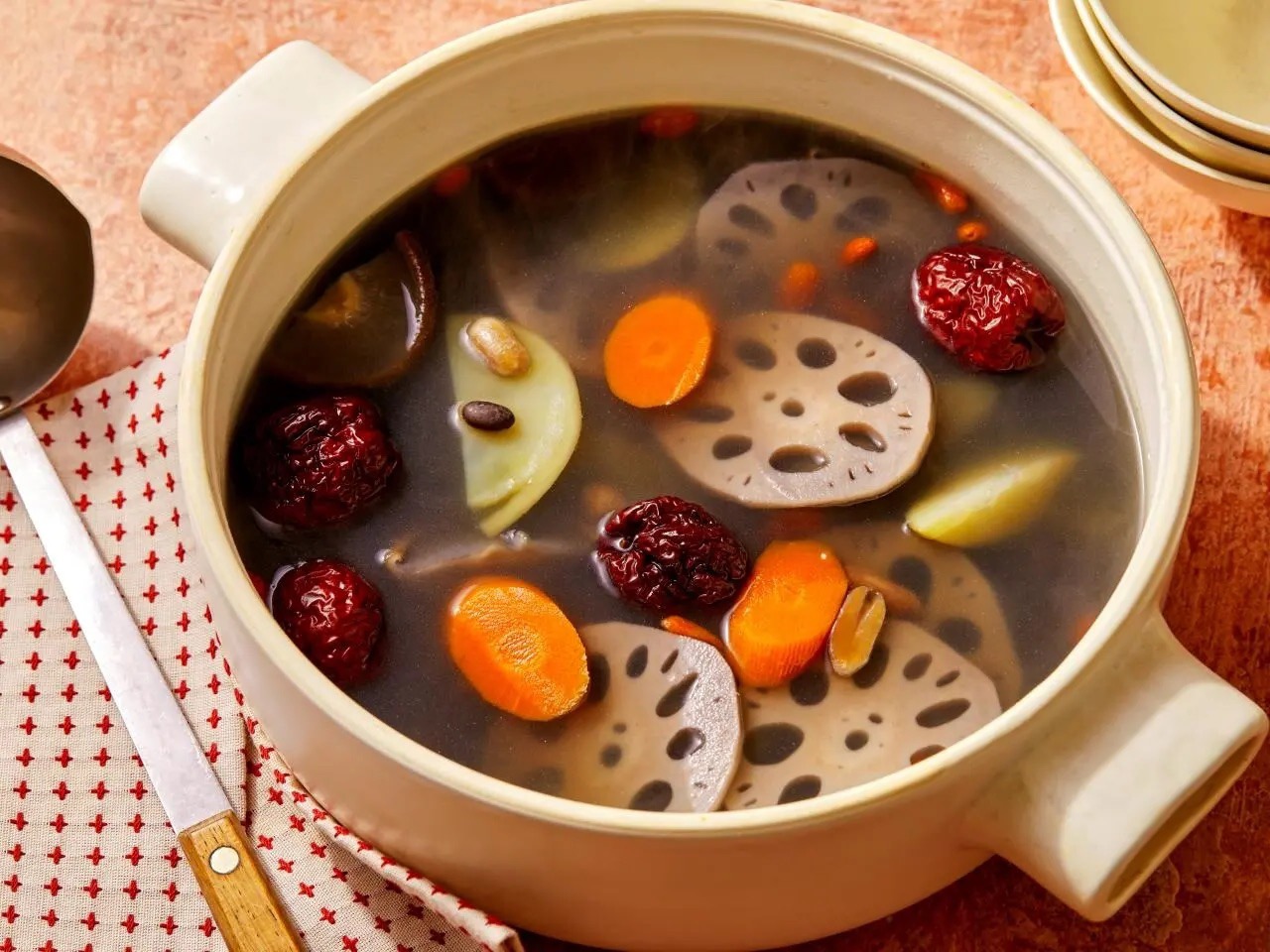
Ingredients For Root To Stalk Vegetable Broth
Carrot tops: The leafy greens from the tops of carrots, which add a slightly sweet and earthy flavor to the broth.
Celery leaves: The tender leaves from celery stalks, which contribute a fresh and slightly peppery taste.
Onion skins: The papery outer layers of onions, which add a rich color and depth of flavor.
Garlic skins: The outer layers of garlic cloves, which infuse the broth with a subtle garlic aroma.
Potato peels: The skins of potatoes, which add a bit of starch and body to the broth.
Water: The base liquid for the broth, which extracts the flavors from the vegetable scraps.
Salt: Enhances the overall flavor of the broth.
Pepper: Adds a touch of heat and complexity to the broth.
Technique Tip for This Recipe
When making this vegetable broth, consider roasting the onion skins, garlic skins, and potato peels before adding them to the pot. Roasting these ingredients at 400°F for about 20 minutes can enhance the depth of flavor and add a subtle sweetness to the broth. Additionally, ensure to wash all vegetable scraps thoroughly to remove any dirt or pesticides, as this will result in a cleaner and more pleasant-tasting broth.
Suggested Side Dishes
Alternative Ingredients
carrot tops - Substitute with parsley stems: Parsley stems provide a similar herbaceous flavor and are often discarded, making them a great sustainable option.
celery leaves - Substitute with lovage leaves: Lovage leaves have a strong celery-like flavor and can be used in the same quantity.
onion skins - Substitute with leek tops: Leek tops offer a mild onion flavor and are typically discarded, making them a good substitute.
garlic skins - Substitute with shallot skins: Shallot skins provide a similar aromatic quality and can be used to enhance the broth's flavor.
potato peels - Substitute with parsnip peels: Parsnip peels add a slightly sweet and earthy flavor, similar to potato peels.
water - Substitute with vegetable stock: Vegetable stock can add more depth and complexity to the broth.
salt - Substitute with soy sauce: Soy sauce can add a salty and umami flavor, enhancing the overall taste of the broth.
pepper - Substitute with white pepper: White pepper provides a similar spiciness but with a slightly different flavor profile, adding a unique twist to the broth.
Other Alternative Recipes Similar to This
How to Store or Freeze This Recipe
Allow the broth to cool to room temperature before storing. This helps prevent condensation and maintains the quality of the broth.
Use airtight containers or mason jars to store the vegetable broth in the refrigerator. This will keep it fresh for up to 5 days.
For longer storage, pour the broth into freezer-safe containers or freezer bags. Leave some space at the top to allow for expansion as the broth freezes.
Label each container with the date and contents. This ensures you know exactly what you have and when it was made.
Freeze the broth in smaller portions, such as 1 or 2-cup servings. This makes it easier to thaw only what you need for a recipe.
To thaw, place the frozen broth in the refrigerator overnight or use the defrost setting on your microwave. Avoid thawing at room temperature to prevent bacterial growth.
If you prefer, you can also freeze the broth in ice cube trays. Once frozen, transfer the broth cubes to a freezer bag. This method is perfect for adding small amounts of broth to recipes without thawing an entire container.
When reheating, bring the broth to a gentle simmer on the stove. This helps retain its flavor and ensures it heats evenly.
Avoid reheating the broth multiple times. Instead, only reheat the amount you plan to use to maintain the best flavor and quality.
If you notice any off smells, flavors, or changes in color, it's best to discard the broth. Freshness is key to a delicious vegetable broth.
How to Reheat Leftovers
Stovetop: Pour the vegetable broth into a saucepan. Heat over medium heat, stirring occasionally until it reaches your desired temperature. This method ensures even heating and preserves the flavors.
Microwave: Transfer the broth to a microwave-safe bowl. Cover with a microwave-safe lid or plate to prevent splatters. Heat on high for 1-2 minutes, stirring halfway through. Adjust the time based on the quantity and your microwave's power.
Slow Cooker: If you have a bit more time, pour the broth into a slow cooker. Set it to low and let it warm for about 1-2 hours. This method is great for maintaining the depth of flavor without rushing the process.
Double Boiler: For a gentle reheating method, use a double boiler. Place the broth in the top pot and simmer water in the bottom pot. This method prevents the broth from scorching and keeps it at a consistent temperature.
Steamer: Pour the broth into a heatproof bowl and place it in a steamer basket over boiling water. Cover and steam for about 10-15 minutes. This method is ideal for reheating without losing any moisture.
Best Tools for This Recipe
Large pot: A large pot is essential for combining all the ingredients and allowing them to simmer together, extracting flavors from the vegetable scraps.
Stirring spoon: A stirring spoon is needed to occasionally stir the broth, ensuring even cooking and preventing any ingredients from sticking to the bottom of the pot.
Strainer: A strainer is used to separate the liquid broth from the solid vegetable scraps after simmering.
Measuring cups: Measuring cups are necessary for accurately measuring the quantities of carrot tops, celery leaves, onion skins, garlic skins, and potato peels.
Measuring spoons: Measuring spoons are used to measure the salt and pepper accurately.
Cutting board: A cutting board provides a surface for preparing and organizing the vegetable scraps before adding them to the pot.
Knife: A knife is used to trim and prepare the vegetable scraps, ensuring they are ready for the broth.
Ladle: A ladle is helpful for serving the broth once it is finished and strained.
Storage containers: Storage containers are useful for storing any leftover broth in the refrigerator or freezer for future use.
How to Save Time on Making This Recipe
Prepare ingredients in advance: Wash and chop carrot tops, celery leaves, and potato peels ahead of time to streamline the process.
Use a slow cooker: Combine all ingredients in a slow cooker and let it cook on low for 8 hours, freeing up your time.
Freeze vegetable scraps: Collect and freeze onion skins, garlic skins, and other scraps over time to have them ready when you need to make broth.
Batch cooking: Make a large batch of broth and freeze it in portions for future use, saving time on future meals.
Root To Stalk Vegetable Broth Recipe
Ingredients
Main Ingredients
- 2 cups Carrot tops
- 2 cups Celery leaves
- 1 cup Onion skins
- 1 cup Garlic skins
- 1 cup Potato peels
- 8 cups Water
- 1 teaspoon Salt
- 1 teaspoon Pepper
Instructions
- 1. Combine all ingredients in a large pot.
- 2. Bring to a boil, then reduce to a simmer.
- 3. Simmer for 1 hour, stirring occasionally.
- 4. Strain the broth and discard the solids.
- 5. Season with additional salt and pepper to taste.
Nutritional Value
Keywords
More Amazing Recipes to Try 🙂
- Cauliflower Soup Recipe40 Minutes
- Quick and Easy Broccoli Recipe15 Minutes
- Pluot Breakfast Squares Recipe45 Minutes
- Saffron Polenta With Sauteed Vegetables Recipe45 Minutes
- Campfire Breakfast Polenta Hash Recipe30 Minutes
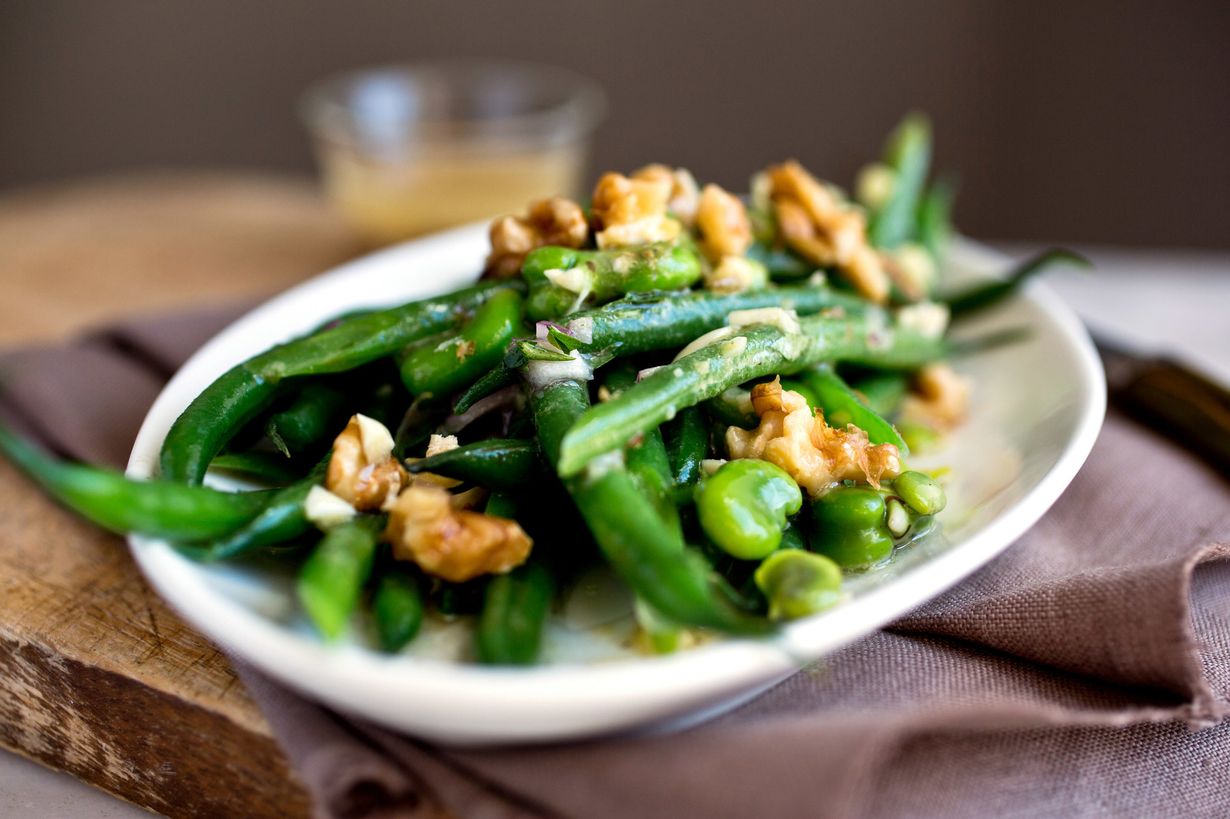
- Green Bean Potato And Leek Salad Recipe35 Minutes
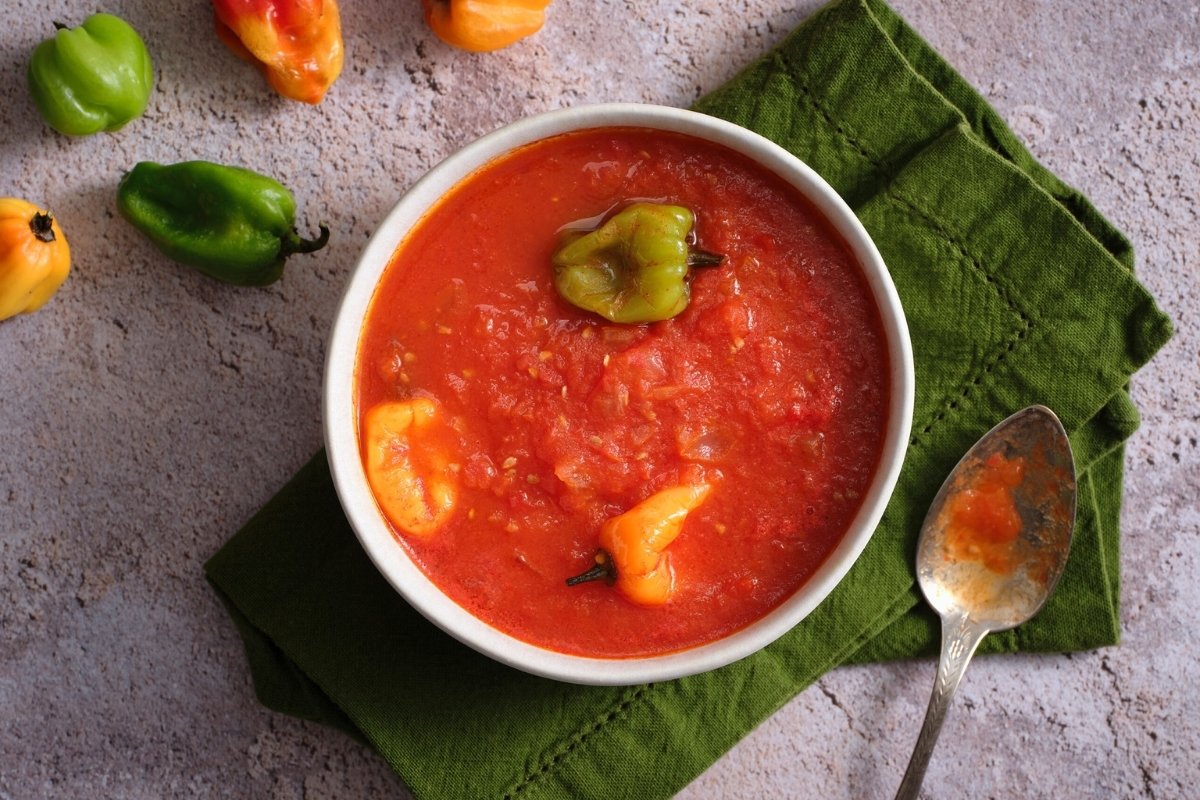
- Fresh Habanero Tomato Salsa Recipe15 Minutes
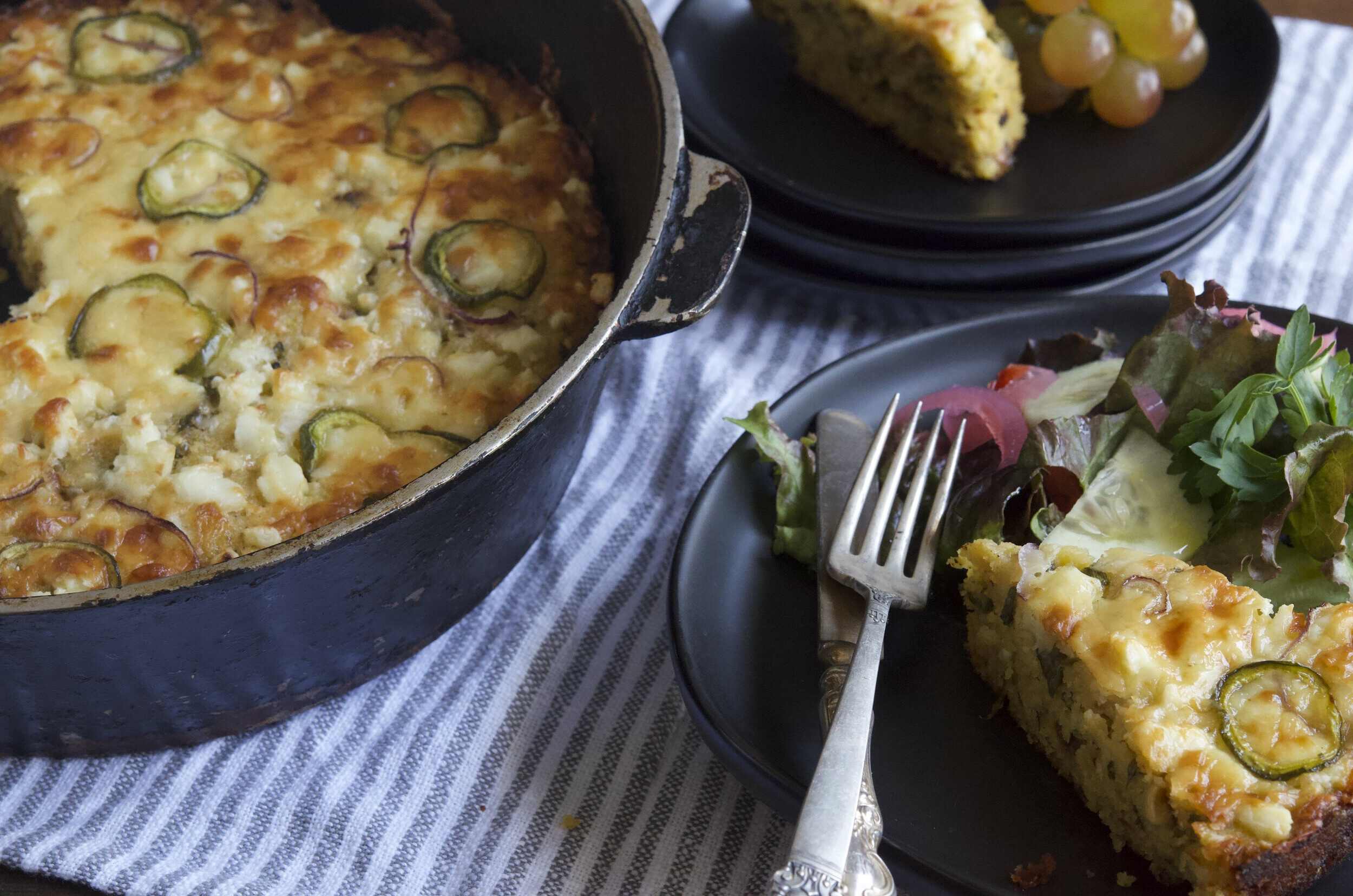
- Dyp Heirloom Tomato Basil And Cream Cheese Frittata Recipe30 Minutes



Leave a Reply